How I work
Addiction & compulsive behaviours
How I work with addiction and compulsion — relational, recovery-informed support for patterns that no longer serve you.
Library
Browse modalities, presenting-issue guides, and writing in one place. Use the tags to filter.
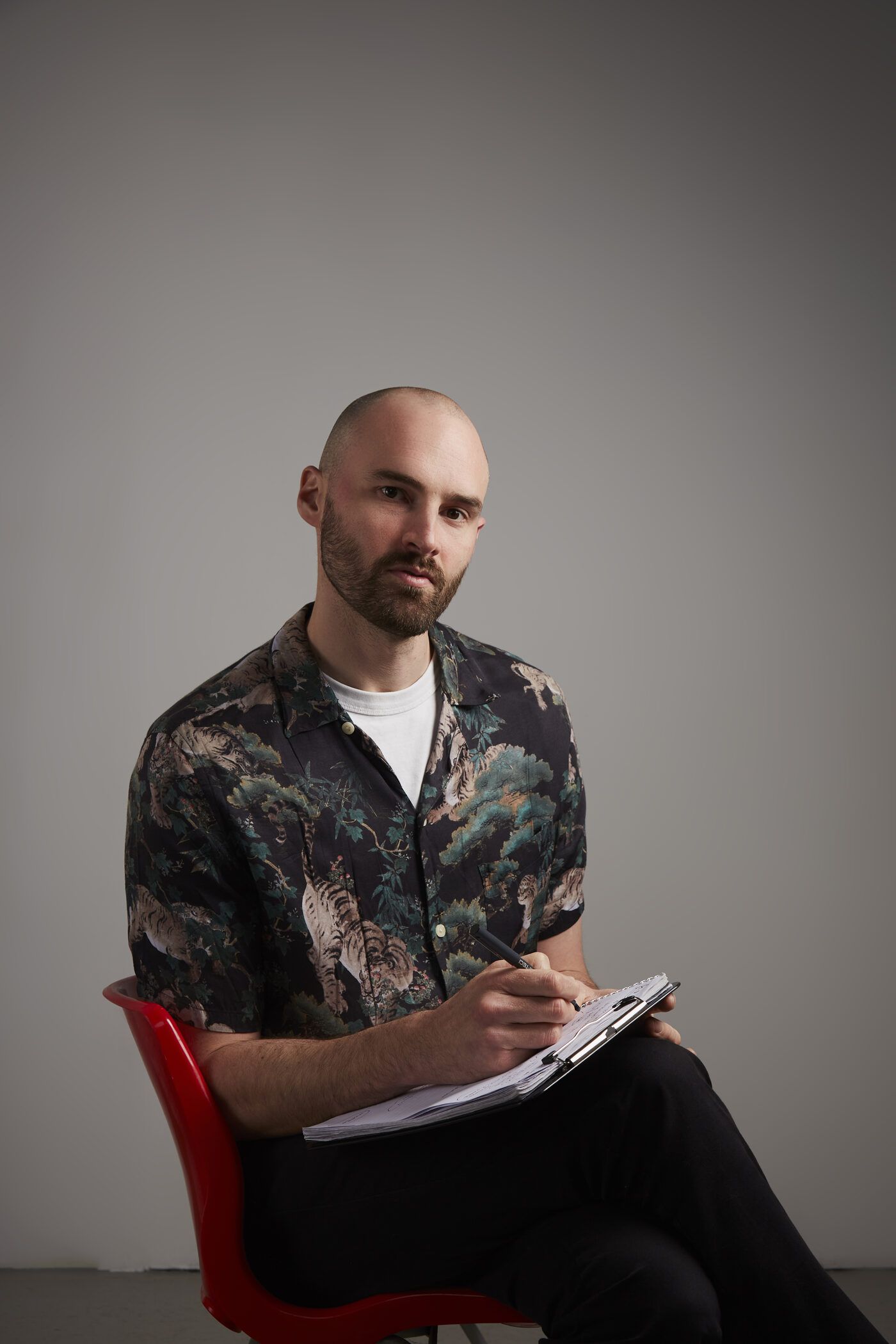
How I work with addiction and compulsion — relational, recovery-informed support for patterns that no longer serve you.
Emotions have a physical basis. We tune into the body’s signals — tension, breath, impulse — as another way of knowing what words alone may miss.
Gestalt, person-centred, and transactional analysis inform a collaborative, respectful meeting — you are the expert on your life; I offer presence, curiosity, and challenge.
Individuation — becoming more whole — through dialogue with dreams, symbols, and the parts of the psyche that seek expression.
Early relationships and unconscious patterns shape how life feels now. Making those patterns visible creates room to respond differently.
Healing happens in relationship. We use the therapy relationship itself to notice patterns of closeness, distance, and repair — so new ways of being with others can take root.
Many people come to therapy wondering what causes them to experience the same kinds of relationship outcomes. The partner changes, but the feelings remain all too familiar.
I often spend time thinking about shame and what role shame plays in my life and the life of my clients. Often it is felt in the room, but not always seen. It can be missed in the mirror of my presence.
I recently attended a conference in which Bayo Akomolafe spoke. Having not heard his words before, I felt a displacement from my usual perceptions and assumptions. I felt alive. He would say that we are challenging our s…
The term bisexuality has historically been used to convey the experience of being attracted to people of more than one gender. For this post I will use the term bi+ so as to include the many ways bisexuality can be expre…
I have published another article on the Counselling Directory. The article is available here . HomerTherapy
Too close, or too far away, we have to be found
Imagine that deep down, we all have a few core needs: to feel seen and celebrated, to feel safe by connecting with someone strong, and to feel we belong. Think of the people who provide this as our emotional anchors. The…
"I know I should feel better about myself, but I don't."
The feeling of making a mistake, like getting something wrong, or sometimes just the very thought of this happening can trigger a wave of flickering shame that resonates for a moment as a warning. Healthy shame. It’s you…
Article published on the Counselling Directory
There's a moment early in The Last of Uswhere a father carries his dying daughter through a burning, collapsing world, refusing, right up until the last possible second, to accept what has already happened. This sets the…
Imagine if therapy wasn't about a distant expert analyzing you, but rather two people sitting together, figuring things out side-by-side. That’s the heart of Integrative Relational Therapy. It’s an approach that believes…
We live in the kingdom of things, yet we lack a shared story. Our homes are individual temples of storage, bursting at the seams, driven by the individualism that a dismantled community requires. Everyone needs their own…